
Cuban Gar
Atractosteus tristoechus
Also known as cuban gar, manjuari, cuban alligator gar
In other languages: 中文 古巴雀鳝 · 日本語 キューバンガー
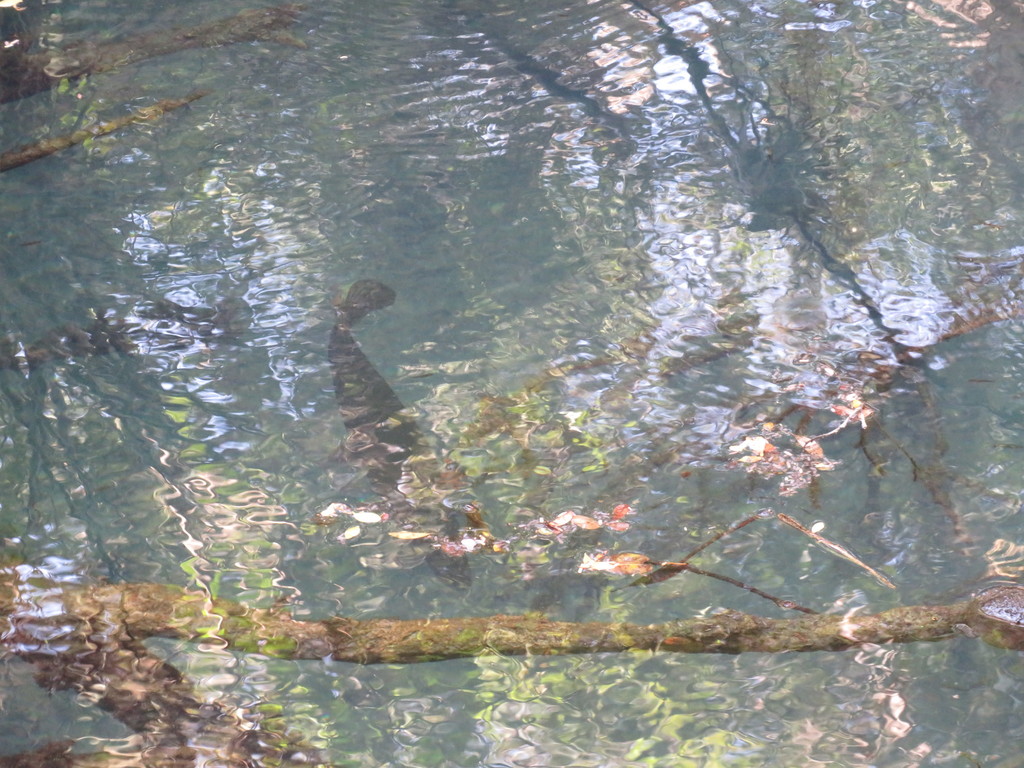
The Cuban gar is a long, armoured predator with a toothy, alligator-like snout and dark spots over an olive-brown body. It is one of the rarest gars and is kept mainly by public aquaria and dedicated monster-fish keepers for its prehistoric look.
Care at a glance
- Care level
- Hard
- Temperament
- Semi
- Adult size
- 100 cm
- Temperature
- 22 to 30 °C
- pH
- 6.5 to 8
- Smallest tank
- 3000 litres
- Keep as
- Singly or in a small group of similar-sized gars
- Diet
- Carnivore: whole fish, prawns, earthworms and large pellets
- Swims
- Top of the tank
- Lifespan
- 15 to 20 years
- Water
- Freshwater
- Wild range
- Cuba (western Cuba and Isla de la Juventud)
Breeding
It scatters adhesive eggs over vegetation in shallow water during the rainy season, and Cuban fish farms breed it for conservation. Spawning in a home aquarium is practically impossible given the space needed.
Good to know
Adults can grow well over a metre and are only suited to very large tanks or indoor ponds, and they will eat any fish that fits in their mouth. The species is endangered and protected in Cuba, so legal stock is scarce; gar eggs are toxic if eaten.
Tankmates to consider
Same water, overlapping temperature and pH, similar size and peaceful. Check each one's page before you mix them.
- Black Diamond Stingray Potamotrygon adamastor
- American Paddlefish Polyodon spathula
- Chinese High Fin Banded Shark Myxocyprinus asiaticus
- Iridescent Shark Pangasianodon hypophthalmus
- Koi Cyprinus rubrofuscus
- Koi Cyprinus carpio
- Mother of Pearl Catfish Megalodoras uranoscopus
- Motoro stingray Potamotrygon motoro
More in Lepisosteidae
- Alligator Gar Atractosteus spatula
- Florida Gar Lepisosteus platyrhincus
- Longnose Gar Lepisosteus osseus
- Spotted Gar Lepisosteus oculatus
- Tropical Gar Atractosteus tropicus
Guides with this fish
Freshwater aquarium fishLarge freshwater fishTop-dwelling freshwater fishGreen freshwater fishSilver freshwater fishAquarium fish from North and Central America